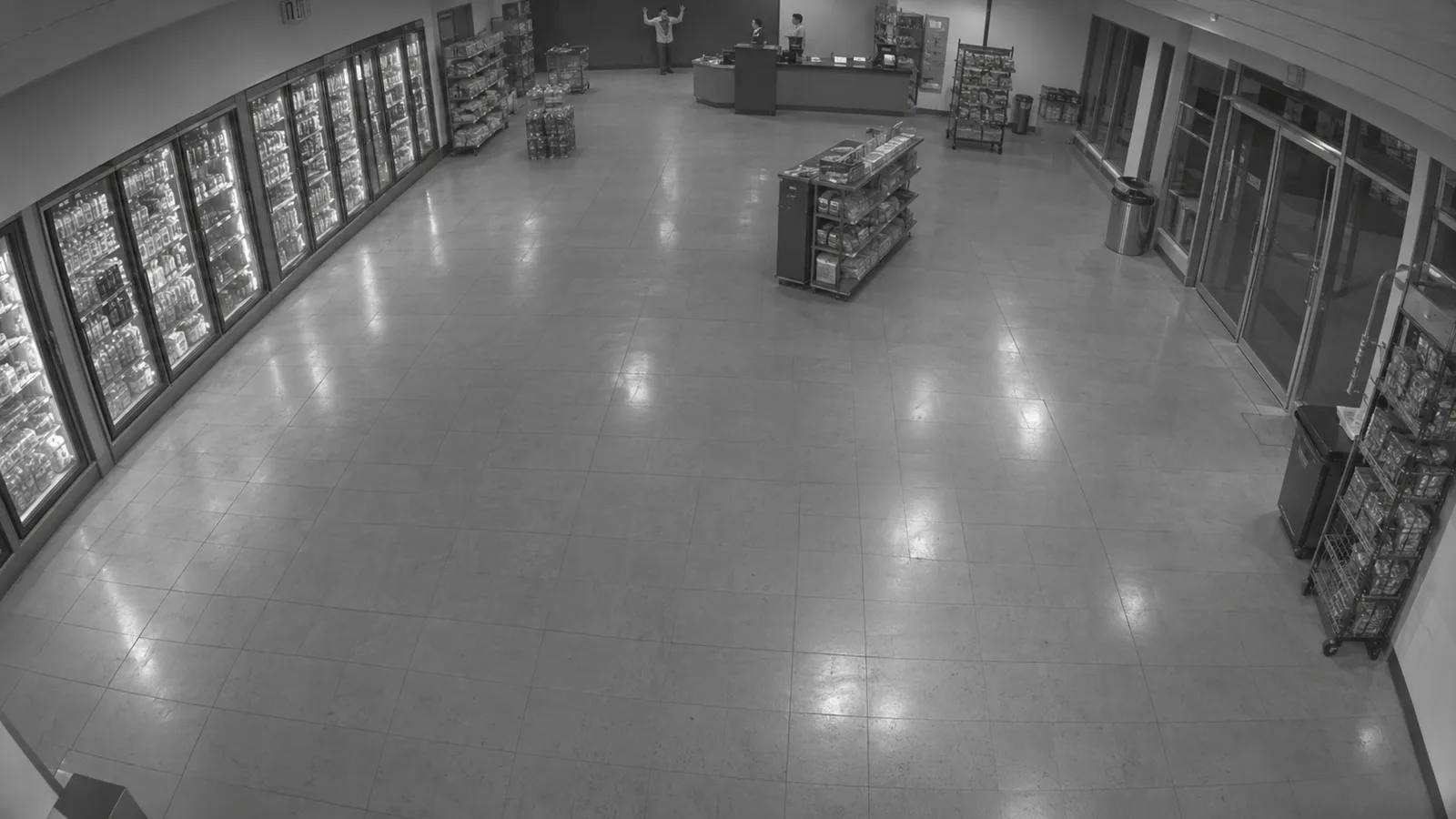
Hands up
09:41:04
Analytics at the edge
What a camera sees, at the site.
Analyze at the site, without internet, alongside CCTV. People, vehicles and visual signs the operator can review, with rules and models calibrated on your own cameras.
What to review
Visual signs for a human decision.
Each sign is detected by a dedicated model on the site node. It is calibrated on your cameras and reaches the operator for review.
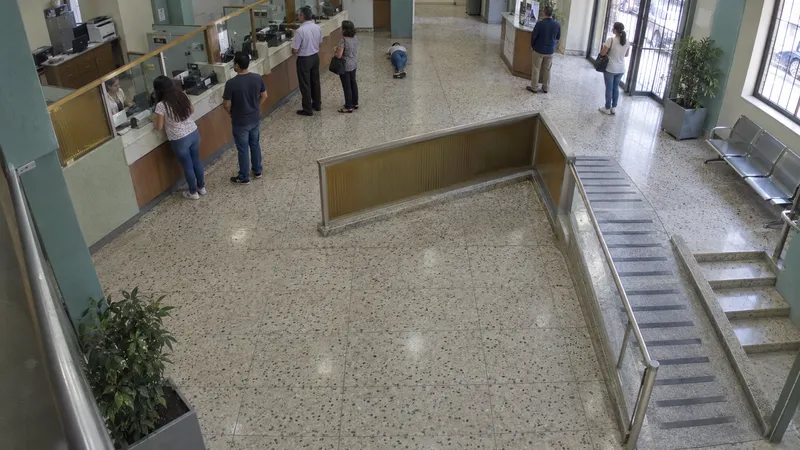
Person down
12:39:11
Person down
The edge pose model recognizes a person lying down and opens the review with the segment.
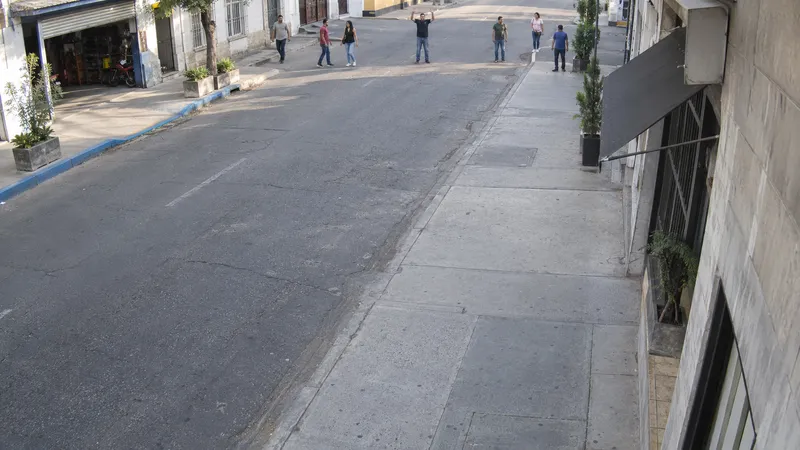
Hands up
15:33:22
Hands up
The edge pose model distinguishes both raised hands without sending video off site.
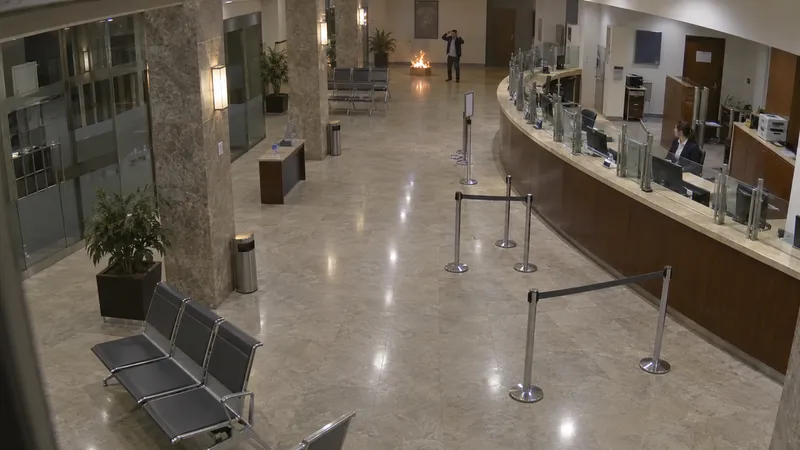
Fire
17:51:51
Smoke and fire
A dedicated edge smoke-and-fire model detects the sign in the image, before a sensor confirms it.
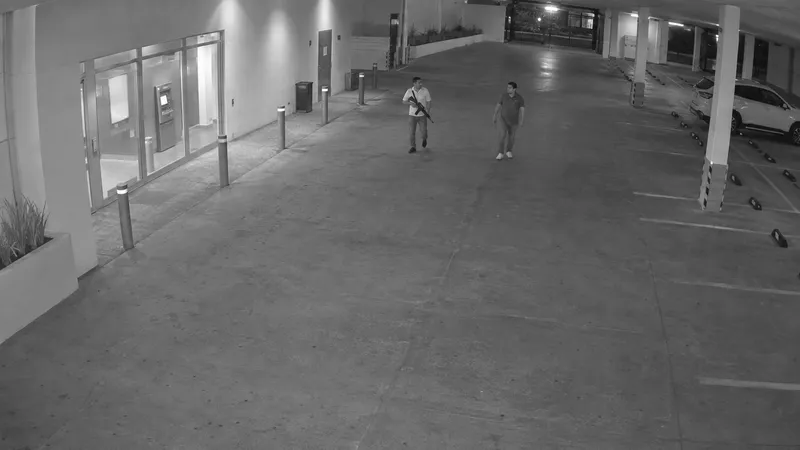
Weapon
08:59:03
Visible weapon
The dedicated edge visible-weapon model marks the object for the operator to confirm.
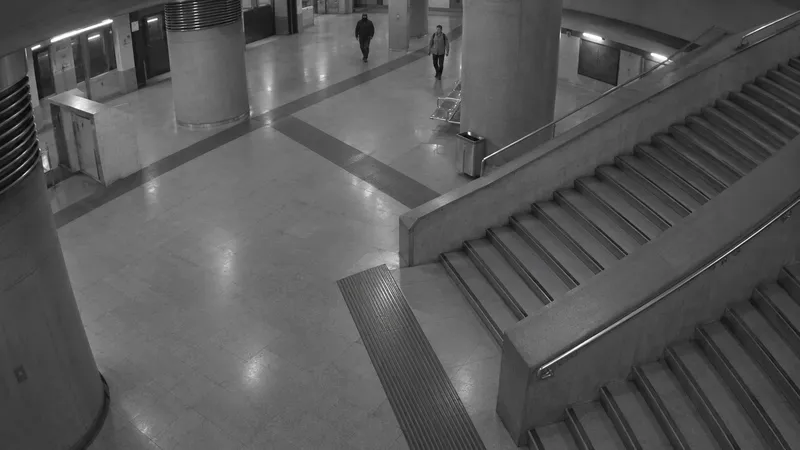
Face covered
16:21:38
Face covered
The edge face-covered model flags balaclavas and helmets at the entrance according to the site rule.
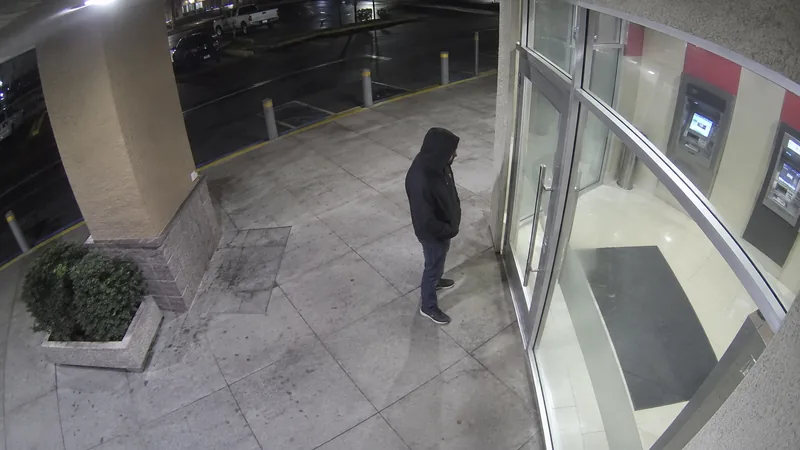
Loitering · 4 min
16:17:46
Loitering
The edge tracking model measures dwell time in the zone and warns when it exceeds the agreed time.
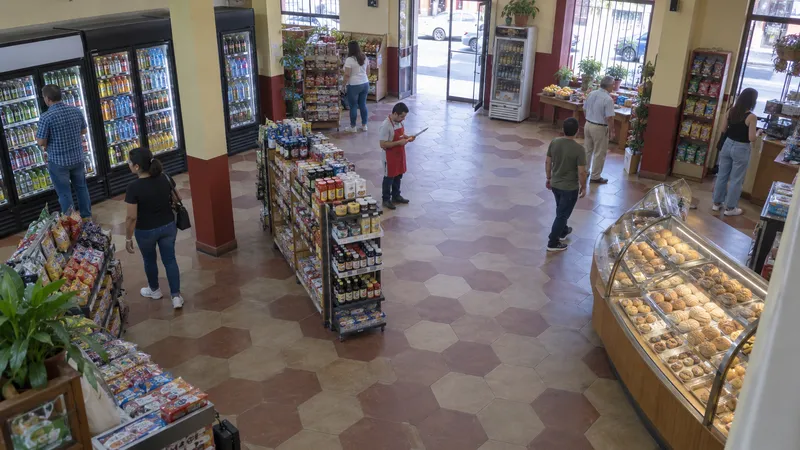
Demonstration · Generated scenes drawn by the product overlay. The event label is the dedicated model’s actual detection; on "Loitering" and on any supporting bank scene, it is a scene annotation.
Edge cases
More scenes.
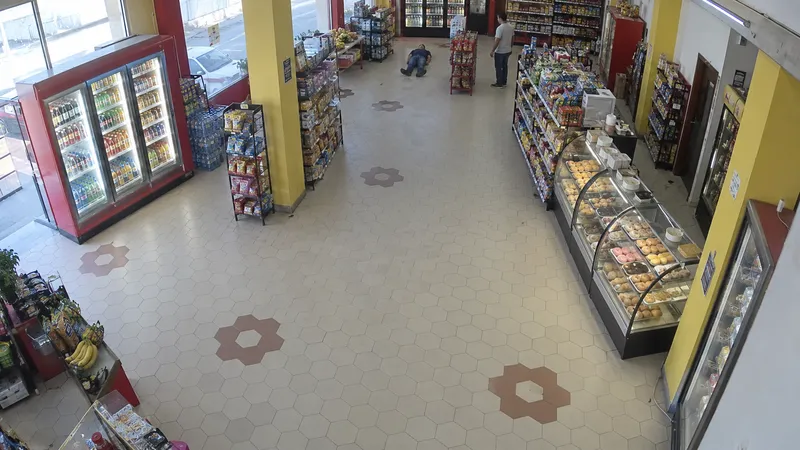
Person down
10:15:33
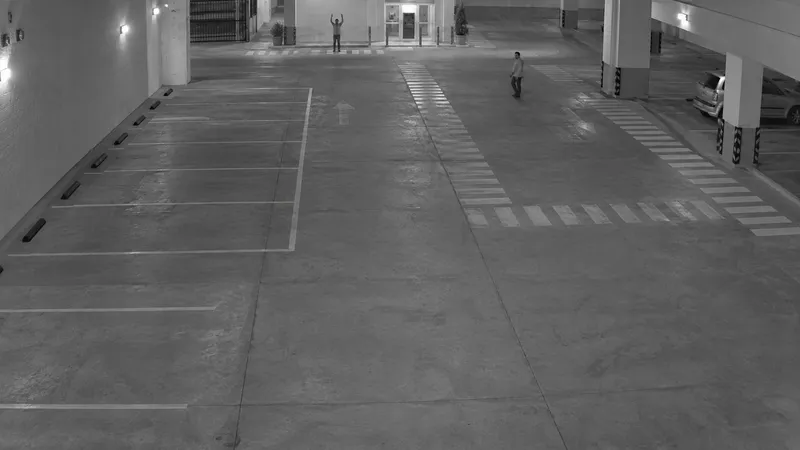
Hands up
08:05:18
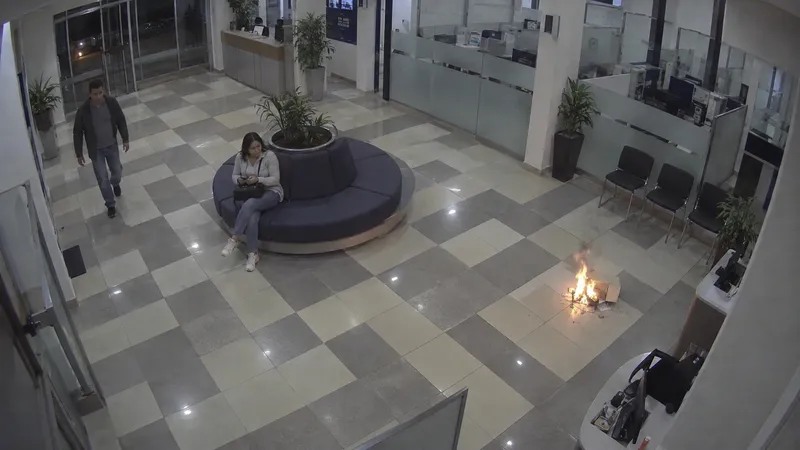
Fire
17:28:29
Weapon
08:52:32
Face covered
14:56:19
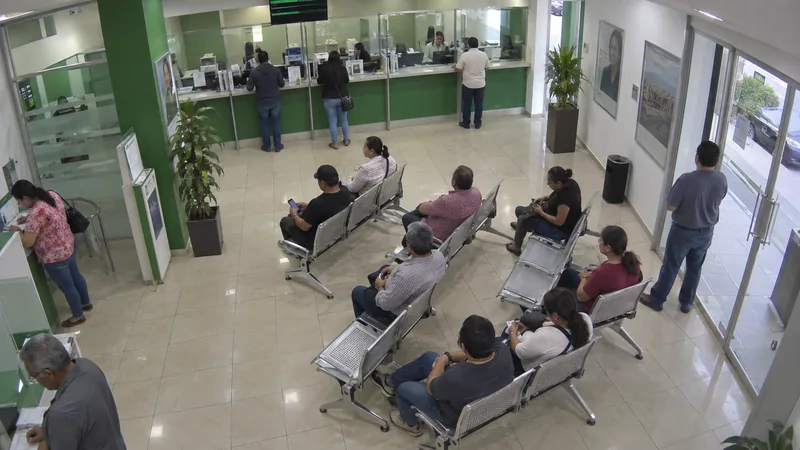
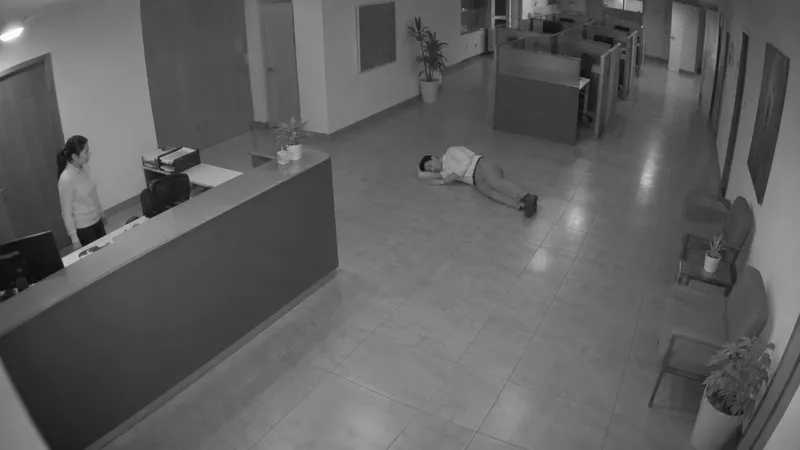
Person down
10:04:07
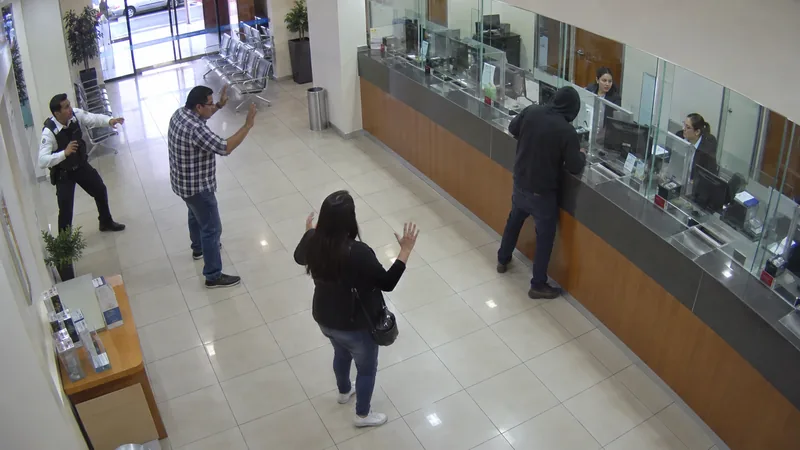
Hands up
18:26:42
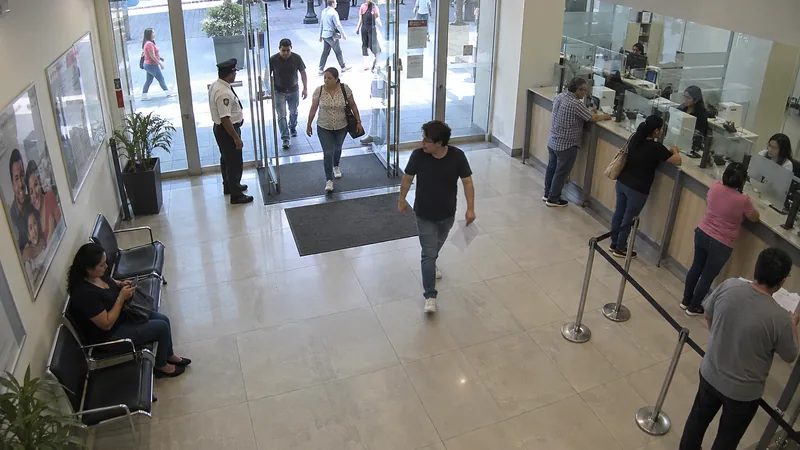
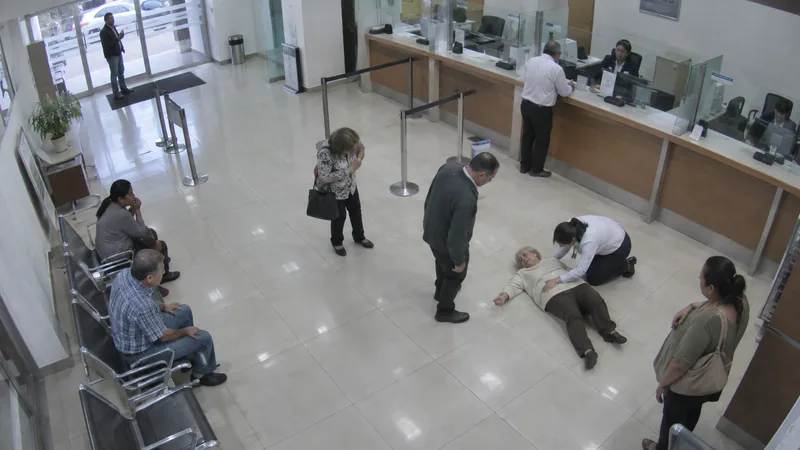
Person down
08:08:28
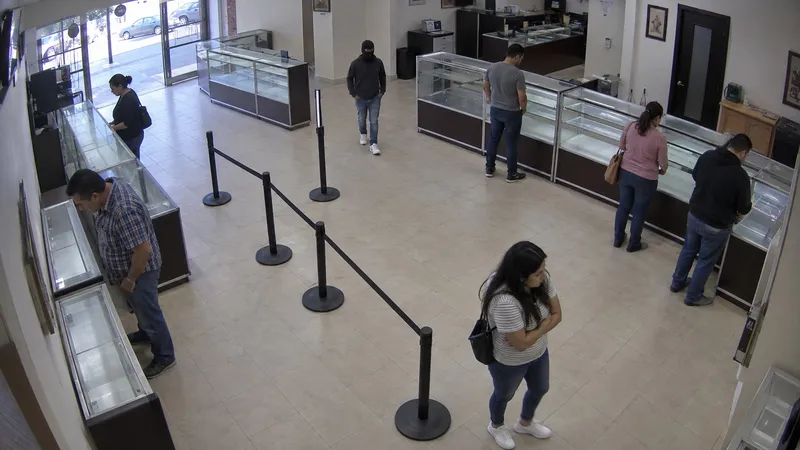
Face covered
18:44:07
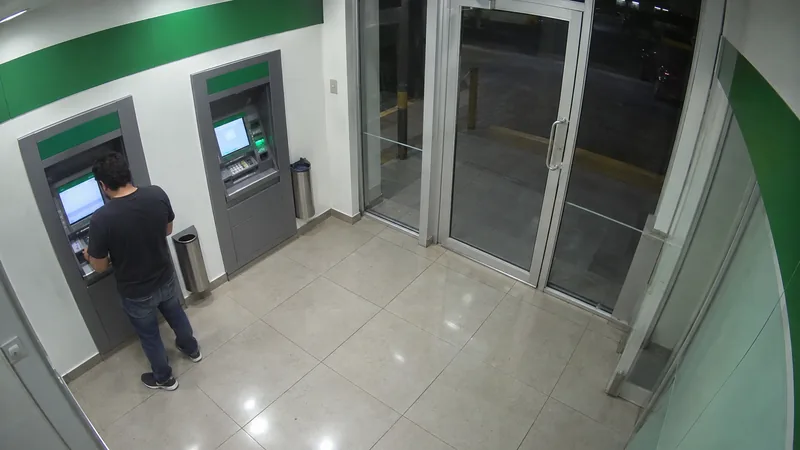
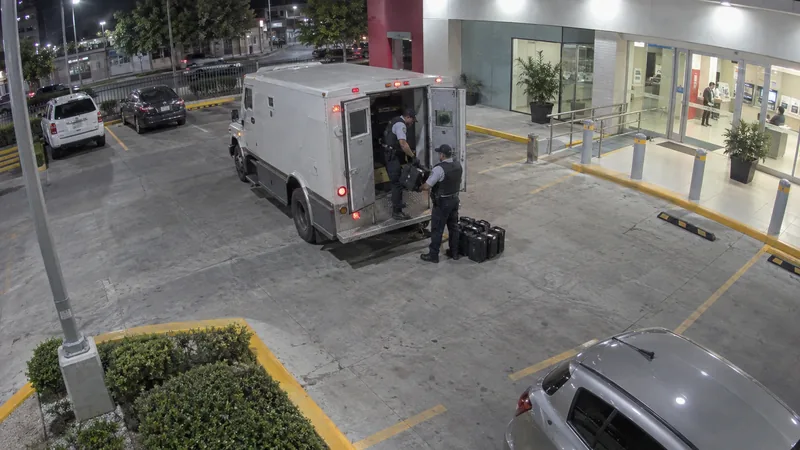
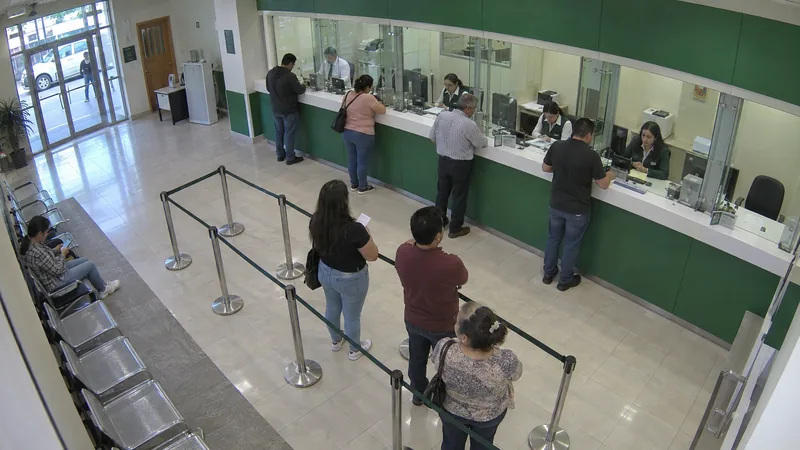
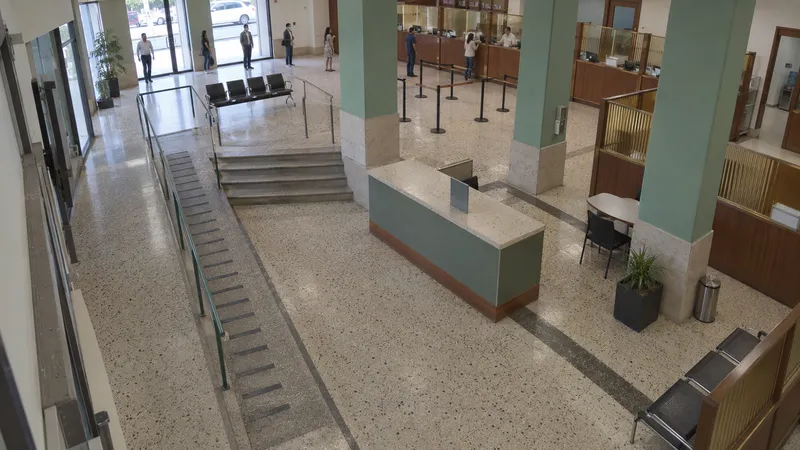
Teller queue
13:53:36
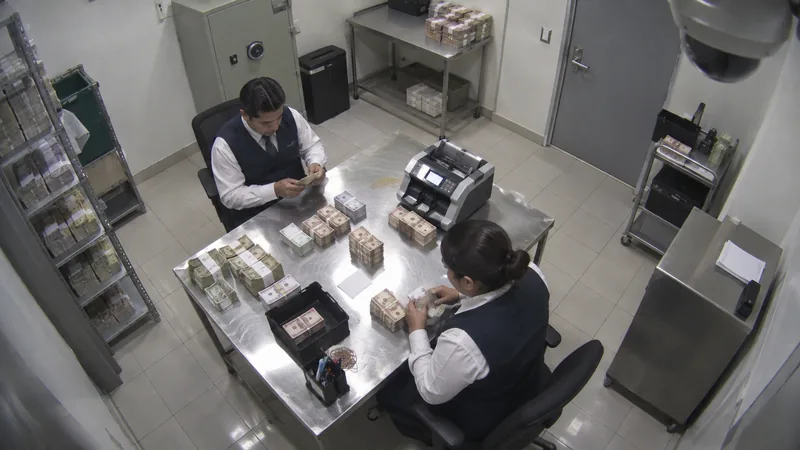
Demonstration · Generated scenes drawn by the product overlay. Event labels are actual detections of the dedicated model; unlabeled scenes show the detector alone until the final campaign cut lands.
What gets enabled
Scope
Scope is agreed per camera and per scene. Roadmap functions are evaluated separately before committing to their use.
- People, vehicles and objectsIncluded
- Areas of interestIncluded
- Movement in an areaCalibrated
- Line crossingIncluded
- Counting and occupancyIncluded
- Area intrusionIncluded
- Dwell time and loiteringIncluded
- Queues and serviceCalibrated
- HeatmapsIncluded
- Plate readingIncluded
- Returning platesIncluded
- Plate watch alertsIncluded
- Identities and watchlistsCalibrated
- Site visitsCalibrated
- Person attributesOptional
- Identified staffCalibrated
- Abandoned objectCalibrated
- Person on the groundCalibrated
- Raised handsCalibrated
- Visible fire and smokeCalibrated
- Covered faceCalibrated
- Visible weaponCalibrated
- Possible gunshot signsCalibrated
- Possible camera tamperingCalibrated
- Activity changesCalibrated
- Raised vehicle hoodRoadmap
- Visit conversionRoadmap
- Acoustic alertsCalibrated
- First, the camera
- We review angle, lighting and the visible size of people or objects using video from the site.
- Then, the rule
- We define areas, times and owners with your team; specialized models are calibrated for the scene.
- Finally, the criteria
- A shadow-mode period gathers cases for human review before operational responses are enabled.
Before expanding
Observe first. Enable next.
- Shadow mode first
- Observe events with your team before enabling operational actions.
- Human review
- Visual signs arrive with context for a person to confirm or dismiss the event.
- Validation at your site
- We publish no accuracy figures; the pilot defines criteria and reviews cases from your cameras.
A pilot at your site
Test analytics on your cameras, rather than ours.
Choose a scene and review criteria. The pilot shows what can be observed under your site’s real conditions.